The State of Christian Schools in Indonesia
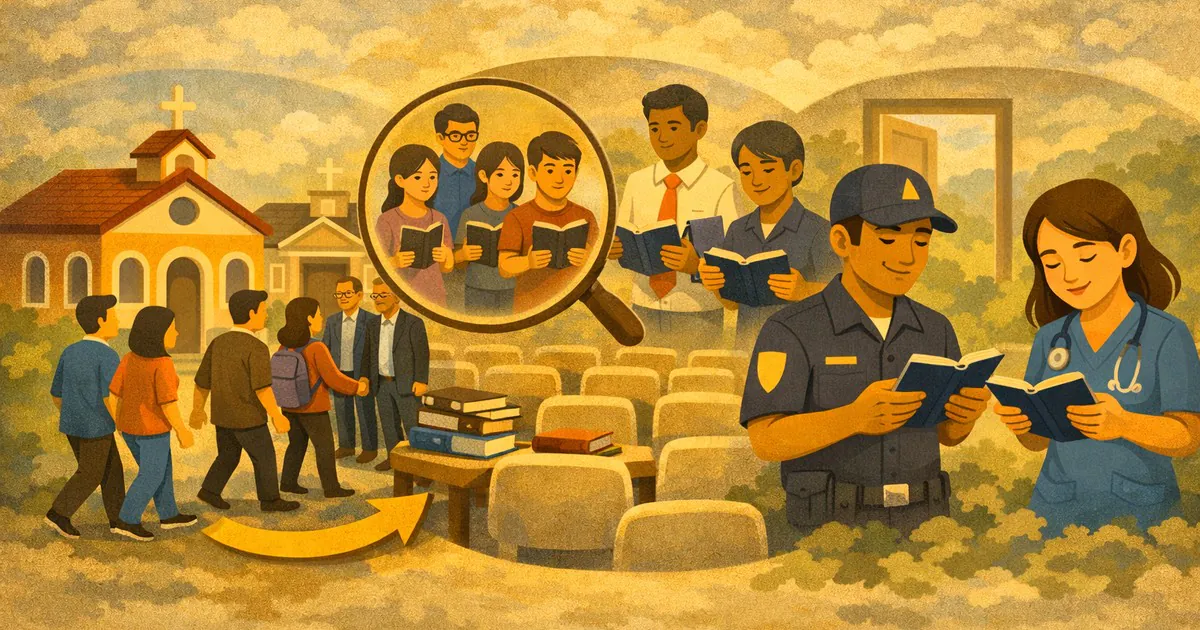
We often place great hopes on Christian schools. Many parents assume that once their children enter a school with a Christian label, faith and character formation will naturally follow. That hope is not entirely misplaced. In BRC’s 2017 findings, 78.4% of young people said that the school environment does shape their spirituality. But when parents and young people are asked more closely about their experience, the picture becomes less simple. In BRC’s 2023 survey, 32.3% of parents said that Christian character formation at their child’s school was only average or inadequate. From the students’ side, BRC’s 2017 findings show that 53% felt the spiritual guidance they received at school was merely ordinary, while 20.8% said it was weak or virtually absent. ¹²
This points to a larger reality: Christian schools matter, but a Christian label does not automatically produce deep formation. In some indicators, Christian students in public schools actually show stronger intimacy with God and a clearer sense of life purpose than those in Christian schools. In many Christian schools, students may be more disciplined in reading the Bible because it is built into the rhythm of school life. But that does not always mean they are being personally guided to know God in a deeper way. ¹
Teachers Who Are Also Trying to Stay Afloat
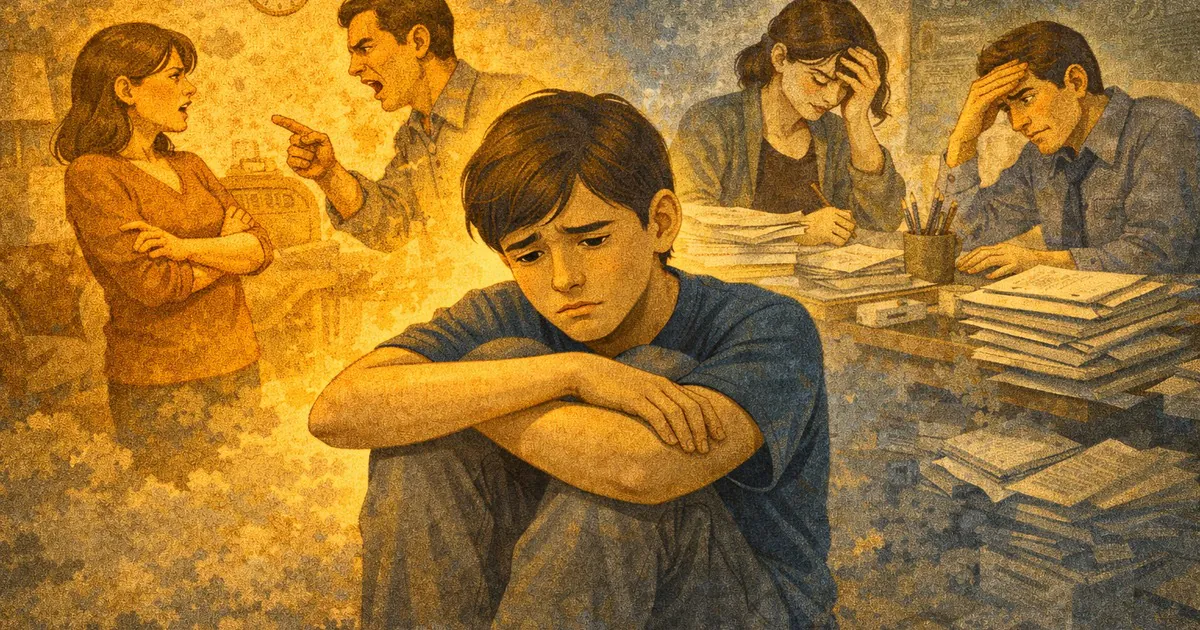
One major part of the problem lies in the condition of teachers themselves. We want schools to shape both academic growth and character. We want teachers not only to teach, but also to notice, listen, and guide. Yet in reality, many teachers are struggling just to meet basic needs. In BRC’s 2024 survey, nearly half of teachers, 49.3%, said their salary was not enough for daily essentials. Some 45.4% had to take on side jobs. Another 33.3% had to borrow money from relatives or friends, and 19.3% were already in debt to banks or online lenders. ³
In that situation, it is hard to expect teachers to always have the emotional capacity to be fully present for students. The issue is not that teachers do not care. The issue is that many of them are exhausted themselves. In the same survey, 73.1% reported severe emotional fatigue, while 50.5% said they felt deeply overwhelmed by school administration. When so much energy is spent on survival and staying on top of tasks, the space for personal care inevitably becomes smaller. ³
Strong in Programs, Weak in Personal Accompaniment
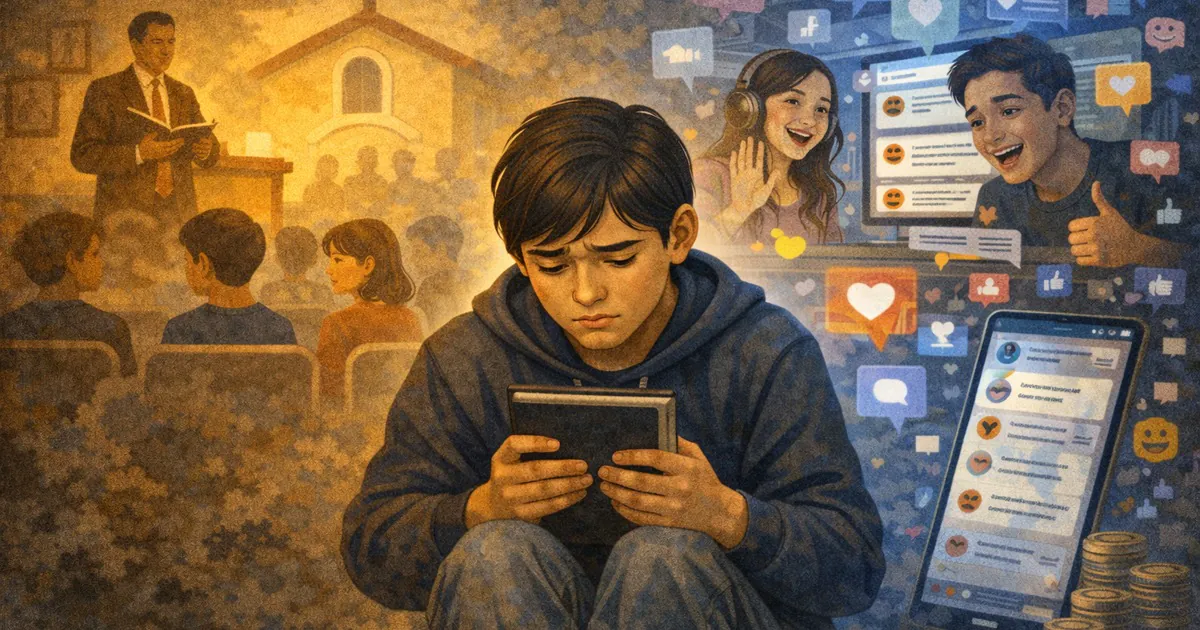
As a result, schools can become strong in routine but weak in relationship. In BRC’s 2017 findings, 55.4% of young people said that their spiritual formation at school came mainly through religion classes, and 44.9% through chapel or routine worship. But when the question shifts to the personal influence of teachers, the numbers fall sharply. Only 32.3% said they were shaped by the example of their teachers’ lives, and only 13.5% said they had received personal guidance from a teacher. In other words, schools may be fairly strong in programming, but much weaker in close accompaniment. ¹
At that point, students can begin to sense that what is most easily seen about them is their performance rather than their struggle. When teachers are exhausted, academic targets are high, and there is almost no room for personal conversation, students can easily feel that their grades matter more than they do. And this is not a small impression. In BRC’s 2017 findings, 1 in 5 students said there was not a single teacher they could turn to when facing serious problems. ¹
The Problem Does Not Stop with Teachers
The problem, then, does not stop with teachers. There is also a broader systemic strain. Many schools are dealing with rising operational costs while still needing to attract enough students to stay afloat. At the same time, parents often expect strong facilities and strong academic outcomes, but are not always ready when tuition fees rise. Under that kind of pressure, schools can gradually shift their focus. What gets protected first is image, academic performance, and operational survival. Teacher well-being and personal care for students slowly move into the background. The Christian label then risks becoming more of an outer identity than a lived direction that shapes daily school life.
This is where the chain becomes clear. Low pay pushes teachers to seek extra income. Tired teachers carrying heavy administrative loads find it harder to give students personal attention. When personal attention fades, character formation and spiritual formation are reduced to routine. When the outcome feels shallow, parents become disappointed. But unless the roots of the problem are touched, schools will keep circling through the same pattern.
On paper, the school is Christian. In the experience of many students, the formation does not always feel as deep as expected. In many schools, spiritual programs continue, but personal accompaniment is not always present with equal strength. Teachers are expected to shape students, yet many of them are themselves living under economic pressure, emotional exhaustion, and heavy administrative demands. In that setting, students may keep studying, keep attending worship, and remain in a Christian environment, while still growing up with the sense that they must process much of life on their own. For that reason, this reality cannot be read merely as the problem of a few teachers or a few schools, but as part of a broader condition in Christian schooling today.
Data notes
¹ Indonesian Christian Youth Survey 2017 — a quantitative survey of 4,095 respondents aged 15–25 across 42 cities and regencies.
² Survey on the Quality of Christian Schools in Indonesia 2023 — conducted by Bilangan Research Center together with the Christian Education Council of Indonesia, involving 1,534 parent respondents from elementary, junior high, and senior high levels across 89 Christian school foundations in different parts of Indonesia.
³ Survey on the Well-Being and Challenges of Christian Teachers 2024 — conducted by Bilangan Research Center together with the Christian Education Council of Indonesia, involving 1,000 Christian and Catholic teachers from various school levels and regions across Indonesia.